David McGreavy: A Dark Legacy of Crime and Consequence
From Trusted Caregiver to Infamous Criminal — A Story of Horror, Justice, and Public Debate

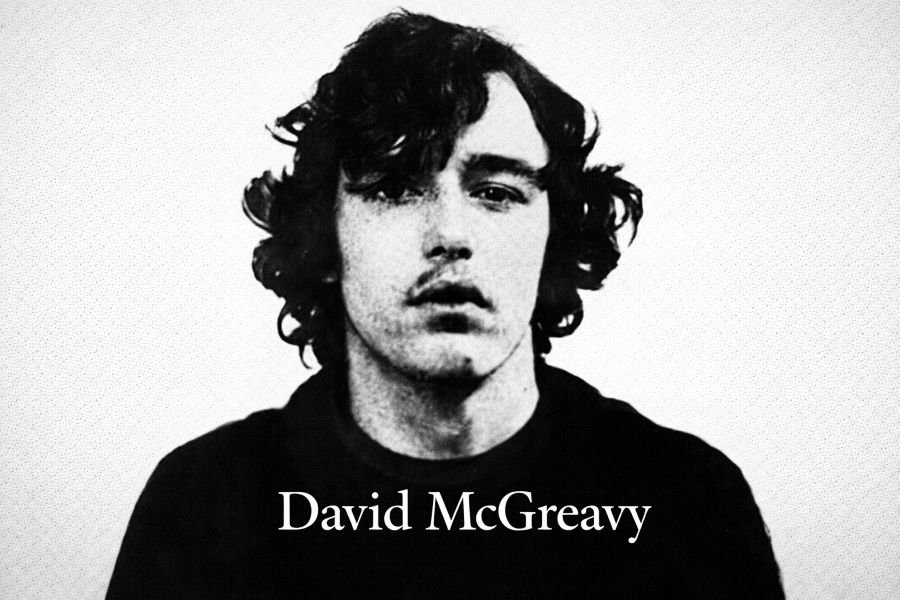
Table of Contents
ToggleIntroduction
David McGreavy is a name that remains deeply etched into British criminal history. Known widely by the chilling nicknames The Monster of Worcester and The Real Friday the 13th Killer, his case is remembered not for achievement, but for the shocking betrayal of trust and the brutality of his crimes. His story continues to provoke strong emotions, legal debate, and ethical questions about punishment and rehabilitation.
This article presents a complete, factual, and carefully verified account of David McGreavy’s life and actions. It avoids speculation and excludes any unavailable information, focusing instead on what is publicly documented and historically accurate. The aim is to provide a clear, human-readable, and search-optimized narrative that informs without sensationalism.
Quick Bio
| Field | Details |
|---|---|
| Real Name | David Anthony McGreavy |
| Known As | The Monster of Worcester; The Real Friday the 13th Killer |
| Birth Year | 1951 |
| Birthplace | Southport, Lancashire, England |
| Nationality | British |
| Parents | Thomas McGreavy (father), Bella McGreavy (mother) |
| Siblings | One of six children |
| Military Service | Royal Navy (discharged 1971) |
| Crimes | Triple child murder (1973) |
| Sentence | Multiple life sentences |
| Release | Paroled in 2018 |
Early Life and Family Background
David McGreavy was born in 1951 in Southport, Lancashire, into a military household. His father served as a sergeant in the British Army, a role that required frequent relocation. As a result, McGreavy’s childhood was marked by instability, with the family moving between different postings throughout England.
He was the second eldest among six siblings. While specific details about his extended family remain private, it is documented that his upbringing followed a disciplined structure typical of military families. Despite this environment, McGreavy struggled to find direction during his teenage years, a difficulty that would later shape his adult life.
Education and Early Adulthood
McGreavy left school in 1967 without pursuing further academic qualifications. Seeking purpose and structure, he joined the Royal Navy soon after. This decision appeared to offer a promising start, providing training, routine, and career potential.
However, his naval service was short-lived. In August 1971, McGreavy was court-martialled and discharged after causing a fire aboard a naval vessel. This event marked a turning point, cutting short any legitimate career path and leaving him adrift without stable employment or direction.
Life Before the Crimes
After leaving the Navy, McGreavy returned to civilian life under difficult circumstances. He struggled to maintain consistent work and developed serious problems with alcohol. His behaviour placed strain on family relationships, eventually leading to him leaving his parents’ home.
He later became a lodger with the Ralph family in Worcester. During this time, he appeared outwardly helpful, assisting with household tasks and occasionally babysitting the children. To neighbours and acquaintances, he did not raise immediate suspicion, which made what followed all the more disturbing.
The Murders That Shocked Britain
On Friday, 13 April 1973, David McGreavy committed crimes that would permanently define his name. While babysitting three young children, he murdered all of them in an act of extreme violence. The victims were Paul, Dawn, and Samantha Ralph, aged four years, two years, and nine months respectively.
The brutality did not end with the killings. McGreavy mutilated the bodies and placed them on iron railings outside a nearby property, a scene that horrified first responders and the wider public. He was arrested in the early hours of the following morning while attempting to leave the area.
Trial and Sentencing
McGreavy appeared in court in June 1973 and pleaded guilty to all three murders. The case moved swiftly through the legal process due to the guilty plea and the overwhelming evidence.
He received multiple life sentences, with a minimum term set before eligibility for parole. The sentencing reflected both the severity of the crimes and the need to protect the public. At the time, the case was widely reported and remains one of the most notorious criminal proceedings in modern British history.
Decades in Prison
David McGreavy spent approximately forty-five years in prison. Due to the nature of his crimes, he was frequently housed in protected custody units to prevent attacks from other inmates. His imprisonment was marked by isolation and strict supervision.
Over the decades, his case was periodically reviewed by parole authorities. For many years, release was denied amid concerns over public safety and the gravity of his offences. The length of his incarceration placed him among the longest-serving prisoners in the United Kingdom.
Parole and Public Reaction
In 2018, McGreavy was released on parole under strict conditions, including monitoring and movement restrictions. The decision triggered widespread public outrage and intense media coverage, particularly from those who believed that the nature of his crimes warranted lifelong imprisonment.
The case reignited national debate about rehabilitation, parole eligibility, and the balance between justice and public protection. Supporters of the decision cited legal processes and rehabilitation assessments, while critics argued that some crimes should permanently exclude offenders from release.
Impact and Legacy
The legacy of David McGreavy is one of fear, grief, and unresolved moral questions. His crimes left a permanent scar on the families involved and on the collective memory of the nation. The case is frequently referenced in discussions about child protection, criminal sentencing, and the ethics of parole.
While his name is infamous, it serves as a reminder of the consequences of unchecked violence and the responsibilities placed on legal systems to balance punishment with prevention. The story remains a sobering example of how trust can be catastrophically abused.
Conclusion
David McGreavy’s life is not a tale of success, but a cautionary account of failure, violence, and lasting consequence. Known as The Monster of Worcester and The Real Friday the 13th Killer, he stands as one of the most disturbing figures in British criminal history. His story continues to influence legal debate, public opinion, and collective memory, ensuring that the lessons of the past are not easily forgotten.
Frequently Asked Questions
Who was David McGreavy?
David McGreavy was a British convicted murderer responsible for the killing of three young children in Worcester in 1973.
Why is he called The Monster of Worcester?
The nickname arose from the extreme brutality of his crimes and their impact on the city of Worcester.
What happened on Friday the 13th in 1973?
On that date, McGreavy murdered three children while acting as their babysitter, a crime that shocked the nation.
Was David McGreavy sentenced to life imprisonment?
Yes, he received multiple life sentences following his guilty plea in 1973.
Is David McGreavy still alive?
He was released on parole in 2018 after decades in prison and remains one of the most controversial figures in UK criminal history.