Janusz Waluś: The Controversial Figure Who Shaped a Defining Moment in South African History
A powerful and complex story of ideology, crime, and a legacy that remains deeply debated

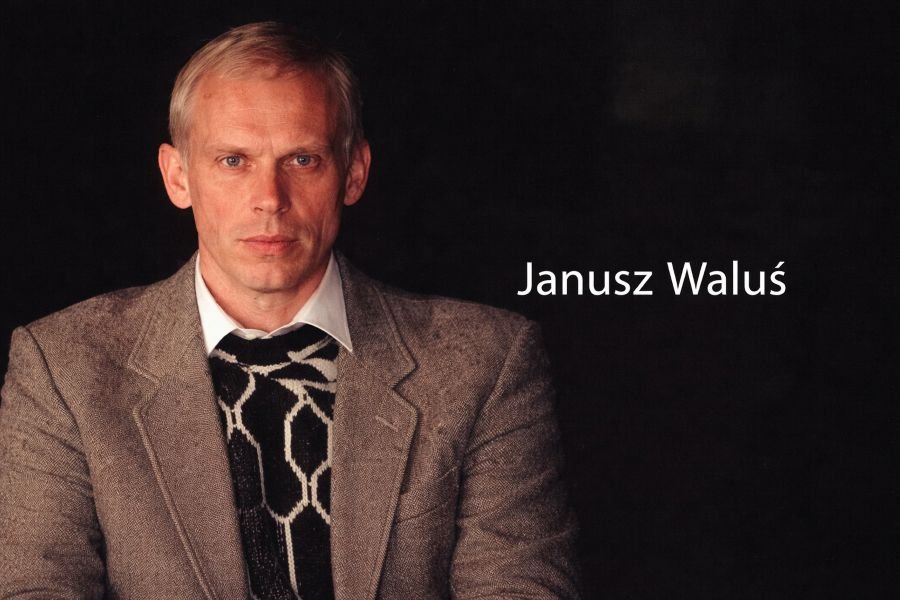
Table of Contents
ToggleIntroduction
Janusz Waluś is a name that carries heavy historical weight, especially in discussions about South Africa’s transition from apartheid to democracy. Known internationally for his role in one of the most shocking political assassinations of the 20th century, his life reflects the dangerous intersection of extremist ideology and national transformation. His story is both deeply negative in its impact and significant in understanding political violence.
At the same time, the biography of Janusz Waluś is not filled with celebrity glamour or wide public personal details. Instead, it is defined by one major event that changed the course of history. This article explores the verified life journey of Janusz Jakub Waluś, focusing only on publicly available information, while presenting a clear and human-readable account.
Quick Bio Table
| Detail | Information |
|---|---|
| Real Name | Janusz Jakub Waluś |
| Known As | Janusz Waluś |
| Date of Birth | 14 January 1953 |
| Age (as of 2026) | 73 years |
| Birthplace | Zakopane, Poland |
| Nationality | Polish (former South African citizen) |
| Education | Completed secondary education (matura) |
| Profession | Truck driver (before imprisonment) |
| Known For | Assassination of Chris Hani (1993) |
| Sentence | Life imprisonment (commuted from death sentence) |
| Released | Parole granted in December 2022 |
| Deportation | Returned to Poland in December 2024 |
Early Life and Background
Janusz Jakub Waluś was born on 14 January 1953 in Zakopane, a town in southern Poland. Growing up during the communist era, his early years were shaped by the political atmosphere of the Polish People’s Republic. While many details about his childhood remain private, his later ideological direction suggests he was influenced by strong anti-communist sentiment.
He completed his secondary education in Poland, receiving the matura qualification. This period of his life was relatively ordinary and not widely documented, but it laid the foundation for his eventual emigration and political involvement abroad.
Move to South Africa
In 1981, Janusz Waluś emigrated to South Africa, joining family members who had moved there earlier. This relocation proved to be a turning point in his life, placing him in a country deeply divided by apartheid policies and racial conflict.
During his early years in South Africa, Waluś worked as a truck driver. His life at that stage was far from political notoriety, but the social environment of the time would later draw him into extremist circles and radical ideological affiliations.
Political Involvement and Ideology
While living in South Africa, Waluś became politically active and aligned himself with apartheid-era structures. He became associated with the National Party, the ruling party responsible for enforcing apartheid laws.
He also had links to the Afrikaner Weerstandsbeweging (AWB), a far-right white supremacist organization. These affiliations reflected an extremist worldview and a resistance to South Africa’s movement toward democracy. His ideological path represents the darker side of political fanaticism during a fragile historical moment.
The Assassination of Chris Hani
A Defining Event in 1993
Janusz Waluś is best known for assassinating Chris Hani on 10 April 1993. The murder took place in Boksburg, near Johannesburg, at a time when South Africa was negotiating its transition away from apartheid.
Chris Hani was a major anti-apartheid leader and one of the most influential figures in the liberation movement. His popularity extended across communities, and his death shocked the nation.
Impact on South Africa
The assassination threatened to destabilize the entire democratic transition process. South Africa stood on the edge of unrest, and the event remains one of the most significant political killings in the country’s modern history.
This act placed Janusz Jakub Waluś permanently into the historical record, remembered not for achievement but for a violent act with national consequences.
Arrest, Trial, and Sentencing
Following the assassination, Waluś was arrested and later convicted of murder. In 1993, he was initially sentenced to death, reflecting the severity of the crime.
However, after South Africa abolished the death penalty in 1995, his sentence was commuted to life imprisonment. He spent nearly three decades behind bars, becoming one of the most infamous prisoners linked to apartheid-era political violence.
Parole and Release
After many years of imprisonment, South Africa’s Constitutional Court ordered his release on parole in November 2022. He was officially released on 7 December 2022 under strict conditions.
This decision sparked strong reactions, with many South Africans viewing his release as deeply controversial. The parole process highlighted the ongoing emotional and political wounds connected to Chris Hani’s assassination.
Health Incident in Prison
Shortly before his release, Waluś was stabbed in prison in late 2022. This incident delayed aspects of his parole process, although no further verified public health details have been released.
This event added another layer of complexity to an already intense and highly debated case.
Deportation to Poland
After completing parole requirements, Janusz Waluś was deported to Poland in December 2024. His South African citizenship had been revoked earlier, making his return to Poland the final legal outcome of his long imprisonment abroad.
He currently resides in Poland, remaining a controversial figure both internationally and within discussions of extremist ideology.
Legacy and Historical Significance
The legacy of Janusz Waluś is overwhelmingly negative due to the assassination of Chris Hani, a leader widely respected in South Africa’s liberation history. His actions are remembered as a symbol of extremist violence during a crucial national transition.
At the same time, his story remains historically significant because it reflects the tensions, fears, and radical resistance that surrounded the end of apartheid. His case continues to spark debates about justice, reconciliation, and the long-term consequences of political extremism.
Conclusion
Janusz Waluś remains one of the most controversial figures connected to South Africa’s transition from apartheid to democracy. Born in Poland and later radicalized in South Africa’s divided political environment, Janusz Jakub Waluś became known worldwide for a single act that shook an entire nation.
His life story is not one of inspiration but rather a powerful reminder of how ideology, hatred, and political violence can leave permanent scars on history. Understanding his biography is essential for grasping the fragile nature of democracy during moments of national transformation.
Frequently Asked Questions (FAQ)
Who is Janusz Waluś?
Janusz Waluś is a Polish-born man known for assassinating South African anti-apartheid leader Chris Hani in 1993.
What is Janusz Waluś’s real name?
His real name is Janusz Jakub Waluś.
When was Janusz Waluś born?
He was born on 14 January 1953 in Zakopane, Poland.
Why is Janusz Waluś famous?
He is infamous for the political assassination of Chris Hani during South Africa’s transition away from apartheid.
Was Janusz Waluś imprisoned?
Yes, he was sentenced to life imprisonment after his death sentence was commuted in 1995.
When was Janusz Waluś released?
He was released on parole on 7 December 2022.
Where is Janusz Waluś now?
He was deported to Poland in December 2024 and currently resides there.