Charles Rolls: Powerful Story of the Fever-Tree Co-Founder
How a British drinks entrepreneur transformed an overlooked mixer into an international premium brand

Introduction
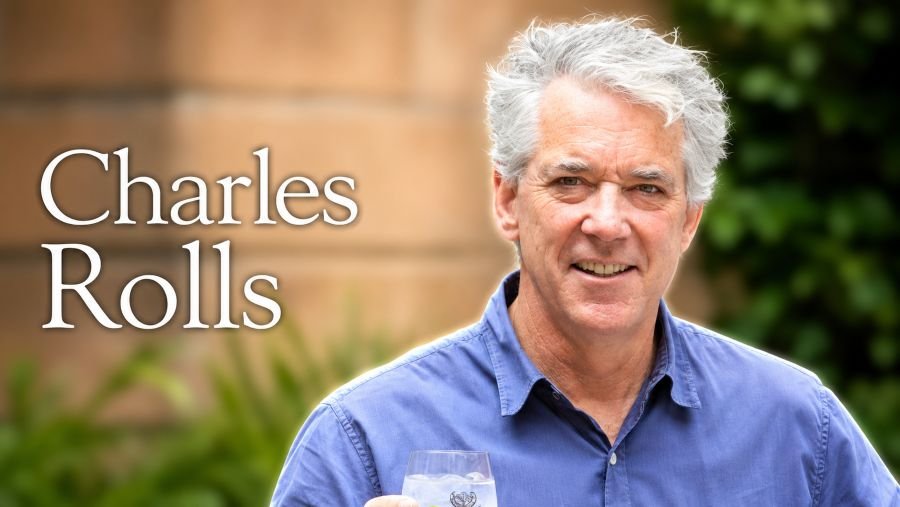
Charles Rolls is a British entrepreneur best known for co-founding Fever-Tree with Tim Warrillow. Before building the premium mixer company, he helped revive Plymouth Gin and gained deep knowledge of the drinks market.
His main business insight was simple: people were buying expensive spirits but mixing them with ordinary tonic water. Rolls believed the mixer should be as carefully made as the spirit. This idea led to Fever-Tree, a company that helped create a new premium-mixer market.
As of July 2026, Rolls is no longer a Fever-Tree director. However, he remains publicly recognised as its co-founder and was listed as a significant company shareholder in the latest available ownership update. His current work includes serving as president of the Spanish wine project Sotovelo.
Charles Rolls Quick Facts
| Detail | Verified Information |
|---|---|
| Full Name | Charles Timothy Rolls |
| Birth Date | August 1957 |
| Nationality | British |
| Profession | Entrepreneur and drinks-industry businessman |
| Best Known For | Co-founding Fever-Tree |
| Co-Founder | Tim Warrillow |
| Education | Engineering degree from Imperial College London and MBA from INSEAD |
| Previous Major Business | Plymouth Gin |
| Former Fever-Tree Position | Co-founder and non-executive deputy chairman |
| Current Documented Drinks Role | President of Sotovelo |
| Fever-Tree Board Departure | 4 June 2020 |
Companies House records confirm his full name, birth month and year, nationality, former Fever-Tree directorship and current company appointments.
Who Is Charles Rolls?
Charles Rolls is an experienced British businessman whose career has focused mainly on premium drinks. He became widely known after creating Fever-Tree with Tim Warrillow, but his understanding of the drinks industry began much earlier.
Rolls did not simply introduce another tonic-water brand. He and Warrillow focused on a part of the drinks market that larger companies had largely overlooked. They saw that premium gin was growing, while many mixers were still treated as cheap supporting products.
Their solution was to make the mixer an important part of the drinking experience. This helped Fever-Tree stand apart from traditional mass-market tonic brands and gave customers a clearer reason to pay more for quality.
Early Life and Education
Charles Rolls studied engineering at Imperial College London. Imperial identifies him as a Mining Engineering alumnus from the class of 1979.
He later completed an MBA at INSEAD, an international business school. After his studies, he worked for the management consultancy Bain & Company before moving towards entrepreneurship.
This combination of engineering, business education and strategy consulting gave him a useful mix of skills. Engineering encouraged structured problem-solving, while consulting helped him study markets, identify gaps and understand why some companies grow faster than others.
Building His Career at Plymouth Gin
One of the most important stages of Rolls’ career came in 1997, when he acquired an equity interest in Plymouth Gin and became its managing director.
At the time, Plymouth Gin was an established name, but the brand needed stronger commercial direction. Rolls worked on improving its image and rebuilding its position within the premium drinks market.
Fever-Tree’s company reporting states that sales at Plymouth Gin grew fourteen times during his leadership. The business was later sold to Absolut Vodka in 2001.
The experience taught Rolls an important lesson. A producer could spend time and money creating a high-quality gin, but much of that quality could disappear when the drink was combined with a weak mixer. This problem later became the foundation of his next major business idea.
How Charles Rolls Founded Fever-Tree
Charles Rolls met Tim Warrillow in 2003. Warrillow had experience in advertising, branding and business development within the premium food and drinks market.
The two men had noticed the same opportunity. Premium spirits were becoming more popular, but the mixer category had not developed at the same speed. Customers might buy an expensive bottle of gin and then mix it with a low-cost tonic containing artificial flavours or heavy sweeteners.
Rolls and Warrillow began researching how to produce a better tonic. The official Fever-Tree history explains that they studied old material at the British Library and travelled to find suitable natural ingredients.
Their work included locating high-quality quinine from cinchona trees in the Democratic Republic of the Congo. Quinine creates the familiar bitter taste found in tonic water and also inspired the Fever-Tree name.
After around 18 months of development, the first Fever-Tree Premium Indian Tonic Water was launched in 2005. Waitrose became one of the company’s early British retail partners.
Why the Fever-Tree Idea Worked
Fever-Tree succeeded because it answered a clear customer question: why use an ordinary mixer with a premium spirit?
The company did not try to compete mainly by offering the lowest price. Instead, it focused on ingredient quality, taste, attractive packaging and a simple message that customers could understand.
Its central idea was that around three-quarters of a mixed drink may be the mixer. Therefore, improving the mixer could improve the entire drink.
This approach also arrived at the right time. Interest in premium gin and carefully sourced food and drink was increasing. Fever-Tree connected its products with that wider change in customer behaviour.
A Useful Business Lesson
Rolls did not invent tonic water. He improved how people valued it.
This is an important lesson for entrepreneurs. A new business does not always need to create a completely new product. It may succeed by improving an ignored part of an existing market.
Fever-Tree made the supporting product feel important. Its mixers were no longer presented as an automatic addition to a drink. They became a product that customers selected by name.
Growth and Public Listing
Fever-Tree expanded beyond its original tonic water and introduced ginger ale, ginger beer, soda water, lemonade and mixers designed for different spirits.
The business also moved into international markets. Its products reached restaurants, hotels, bars, supermarkets and specialist retailers in many countries.
Fever-Tree joined the London Stock Exchange’s AIM market in 2014. The listing marked an important change in the company’s development, taking it from a founder-led private business into a publicly traded company.
Rolls later moved from an executive role to become non-executive deputy chairman. His formal directorship of Fevertree Drinks plc ended on 4 June 2020.
What Does Charles Rolls Do Now?
As of July 2026, Charles Rolls is not a member of the Fever-Tree board. The company’s current board information lists Tim Warrillow as co-founder and chief executive but does not list Rolls as a serving director.
Rolls has continued working with premium drinks through Sotovelo. The company’s official team page lists him as president.
Sotovelo produces a Spanish white wine made from Palomino grapes and developed under flor, the layer of yeast associated with traditional wine production around Jerez. The project reflects Rolls’ continuing interest in taking an overlooked drinks category and presenting it to modern customers in a new way.
Official UK company records also list him in active positions connected with businesses including Chromates Drinks Limited, Figgle LLP, Treetops Aircraft LLP and Airtime Aircraft Leasing Limited.
Charles Rolls’ Fever-Tree Shareholding
The latest Fever-Tree major-shareholding information available during this update was dated 18 December 2025.
It listed Charles Rolls as holding 5,085,928 Fever-Tree shares, representing 4.36% of the company.
This confirms that he continued to have a substantial financial interest in the business after leaving its board. However, a shareholding should not be treated as a complete measure of a person’s wealth because share prices change and personal finances can include taxes, liabilities and other assets.
Readers can examine his official business appointments through the Companies House record for Charles Timothy Rolls.
Charles Rolls’ Business Strategy
Rolls’ career shows several clear business principles.
Find the Neglected Part of a Growing Market
Premium gin was expanding, but tonic water had received less attention. Rolls concentrated on the part of the customer experience that larger businesses had overlooked.
Solve a Problem He Understood Personally
His idea grew from direct experience at Plymouth Gin. He had seen how an ordinary mixer could hide the flavour of a carefully produced spirit.
Make the Message Simple
Fever-Tree’s main message was easy to understand. A good spirit should be served with a good mixer.
Build Value Instead of Competing Only on Price
The company used quality ingredients, sourcing stories and premium packaging to give customers reasons to pay more.
Know When a Company Needs Different Leadership
Founders are often skilled at creating ideas and starting businesses. A larger public company may need different systems and management structures. Rolls gradually moved away from executive responsibilities before leaving the board.
Wider Influence and Environmental Support
Rolls has supported research at Imperial College London, where he studied engineering.
In 2021, Imperial announced that a donation from Rolls would fund a PhD project examining biodiversity, soil health and the way soil ecosystems store carbon. The research also received access to a rural estate where scientists could study the effects of different land-management methods.
The project connected academic research with real farming conditions, allowing researchers to examine how agriculture, woodland, grassland and grazing practices affect carbon storage.
Explore More Business and Leadership Stories
Readers interested in founders and modern business leadership can also explore the story of Daniel Daggers and his luxury property company.
You can also read about Kia Joorabchian’s career in sports business.
Another related profile covers Peter Lenahan’s enterprise technology leadership.
Readers may also be interested in Tim Davie’s senior executive journey.
For another leadership-focused story, explore Camilla Cavendish’s work across policy and public life.
Verified Interesting Facts About Charles Rolls
Charles Rolls studied Mining Engineering before becoming known as a drinks entrepreneur.
His concern about poor-quality tonic water developed while he was leading Plymouth Gin.
Rolls and Tim Warrillow studied historical references at the British Library during the development of Fever-Tree.
The Fever-Tree name comes from the cinchona tree, whose bark produces quinine.
The company’s first Premium Indian Tonic Water was introduced in 2005.
Rolls left the Fever-Tree board in 2020 but remained a significant shareholder in the latest publicly available company update.
His later Sotovelo project again focuses on bringing attention to an overlooked part of the drinks market.
Conclusion
Charles Rolls is best understood as the British drinks entrepreneur who helped turn premium tonic water into an important product category.
His earlier experience at Plymouth Gin showed him that a poor mixer could weaken a high-quality spirit. Instead of accepting this as a normal part of the drinks market, he worked with Tim Warrillow to build Fever-Tree.
The company’s success came from a clear idea, strong product quality and simple positioning. Fever-Tree did not ask customers to stop buying premium spirits. It asked them to think more carefully about what they mixed with those spirits.
Although Rolls no longer serves on the company’s board, his name remains closely connected with Fever-Tree’s creation. His continued work in drinks, wine, business ownership and environmental research shows that his professional activity has extended beyond the brand that made him widely known.
Frequently Asked Questions
Who Is Charles Rolls?
Charles Rolls is a British drinks entrepreneur and the co-founder of Fever-Tree. He previously led the turnaround of Plymouth Gin.
What Is Charles Rolls’ Full Name?
His full professional name is Charles Timothy Rolls.
When Was Charles Rolls Born?
Official Companies House records state that he was born in August 1957.
What Is Charles Rolls Famous For?
He is famous for co-founding Fever-Tree with Tim Warrillow and helping establish premium mixers as a major drinks category.
Who Owns Fever-Tree?
Fever-Tree is a publicly traded company with several institutional and individual shareholders. Its major-shareholding update dated 18 December 2025 listed Charles Rolls with 4.36% and Tim Warrillow with 4.78%.
Is Charles Rolls Still Involved With Fever-Tree?
He is no longer a Fever-Tree director. However, the latest available major-shareholding information listed him as a significant shareholder.
When Did Charles Rolls Leave the Fever-Tree Board?
His appointment as a Fevertree Drinks plc director ended on 4 June 2020.
What Did Charles Rolls Do Before Fever-Tree?
He worked at Bain & Company and later became managing director of Plymouth Gin. Company reporting states that Plymouth Gin’s sales grew fourteen times before its sale to Absolut Vodka in 2001.
Where Did Charles Rolls Study?
He earned an engineering degree from Imperial College London and an MBA from INSEAD.
What Does Charles Rolls Do Now?
His current documented activities include serving as president of Sotovelo and holding active positions in several UK-registered businesses.
Why Is the Company Called Fever-Tree?
The name refers to the cinchona tree. Its bark produces quinine, the ingredient that creates tonic water’s bitter taste.
